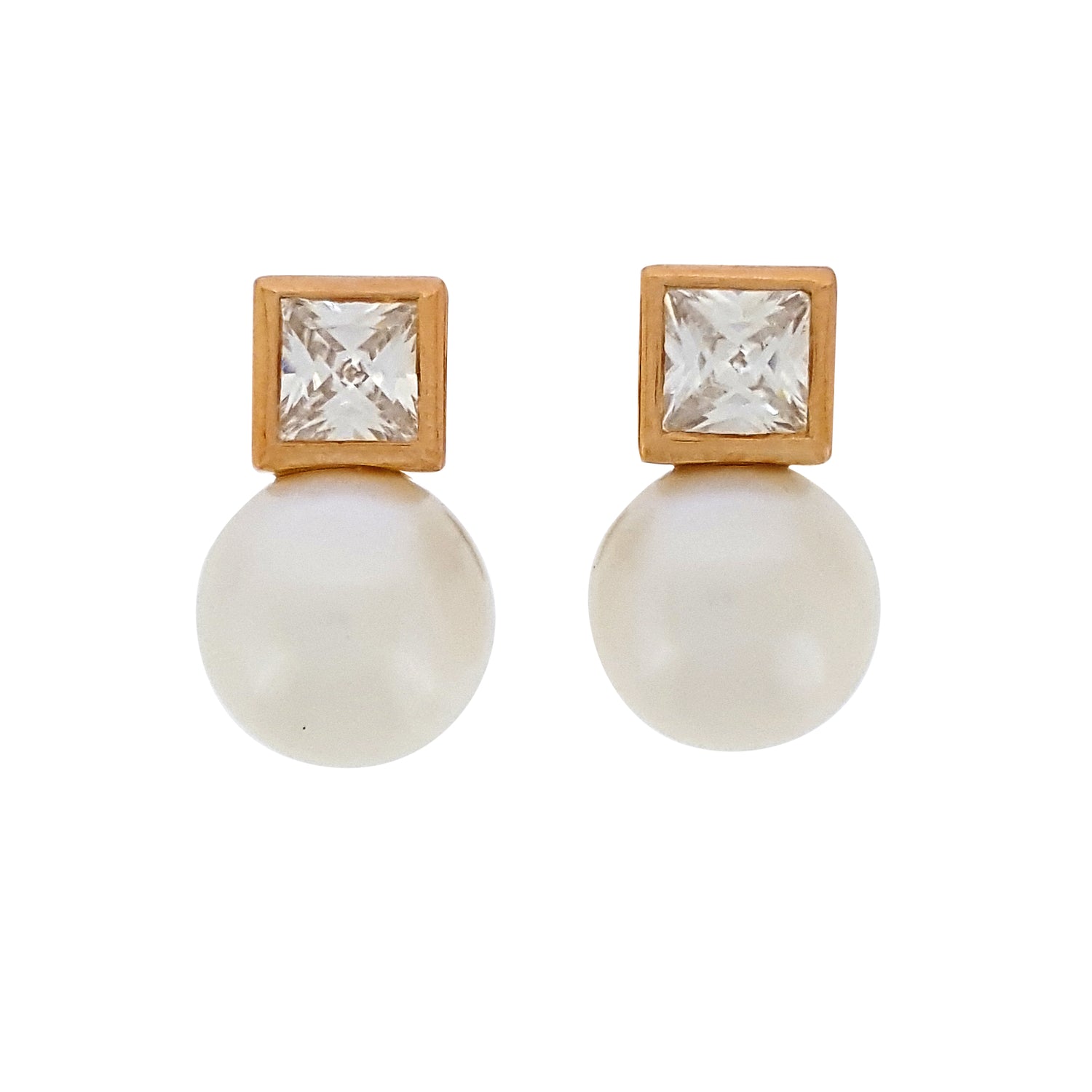

While reading about cultured saltwater pearls, I was fascinated by how much work and patience goes into producing the pearls we often admire in jewellery.
One of the most interesting things I learned was about Akoya pearls, which are considered the original cultured pearl. These are the classic pearls many people think of when they picture a pearl necklace, often passed down from mothers and grandmothers as treasured heirlooms. Even famous style icons like Coco Chanel and Grace Kelly were known for wearing Akoya pearls.
Akoya pearls are grown in the Akoya oyster (Pinctada Fucata), which is native to Japan and China. The process is far from simple. Each oyster is seeded with two or three nuclei and then cared for over a period of 10 to 18 months. What surprised me most was learning that more than half of the oysters do not survive, and only a small percentage produce high-quality pearls. This helps explain why fine Akoya pearl strands remain highly valued today.
The article also mentioned that China has become the main producer of Akoya pearls due to challenges facing Japanese pearl farms, including declining water quality and disease. Despite this shift, Japanese Akoya pearls are still highly respected for their quality.
Another pearl variety that caught my attention was the Rainbow-Lipped Pearl, grown in the Pteria Sterna oyster. These oysters are found in the eastern Pacific Ocean, from Baja California down to Peru. Unlike Akoya pearls, Rainbow-Lipped pearls are known for their beautiful natural colours, including shades of blue, rose, grey, and other iridescent tones.
I was particularly fascinated by the history behind these oysters. The world's first commercial pearl oyster farm was established in the Gulf of California in 1893 by Dr. Vivès. Originally, the farm focused on harvesting mother-of-pearl shells and naturally occurring pearls. Interestingly, Dr. Vivès never pursued cultured pearl production because he didn't want to create a substitute for natural pearls.
Today, Rainbow-Lipped oysters are farmed similarly to other cultured pearl-producing oysters, with a grow-out period of around two years. They also produce Keshi pearls and Mabe pearls, adding even more variety to the types of pearls available.
What stood out to me after reading all of this is how much nature influences the final pearl. Factors like water quality, oyster health, time, and even survival rates all play a role in creating these beautiful gems. It's easy to look at a pearl necklace and see only the finished product, but behind every pearl is years of careful farming and a remarkable natural process.
Learning about these two pearl varieties gave me a greater appreciation for the craftsmanship and dedication involved in pearl cultivation, and why high-quality pearls continue to be treasured around the world.