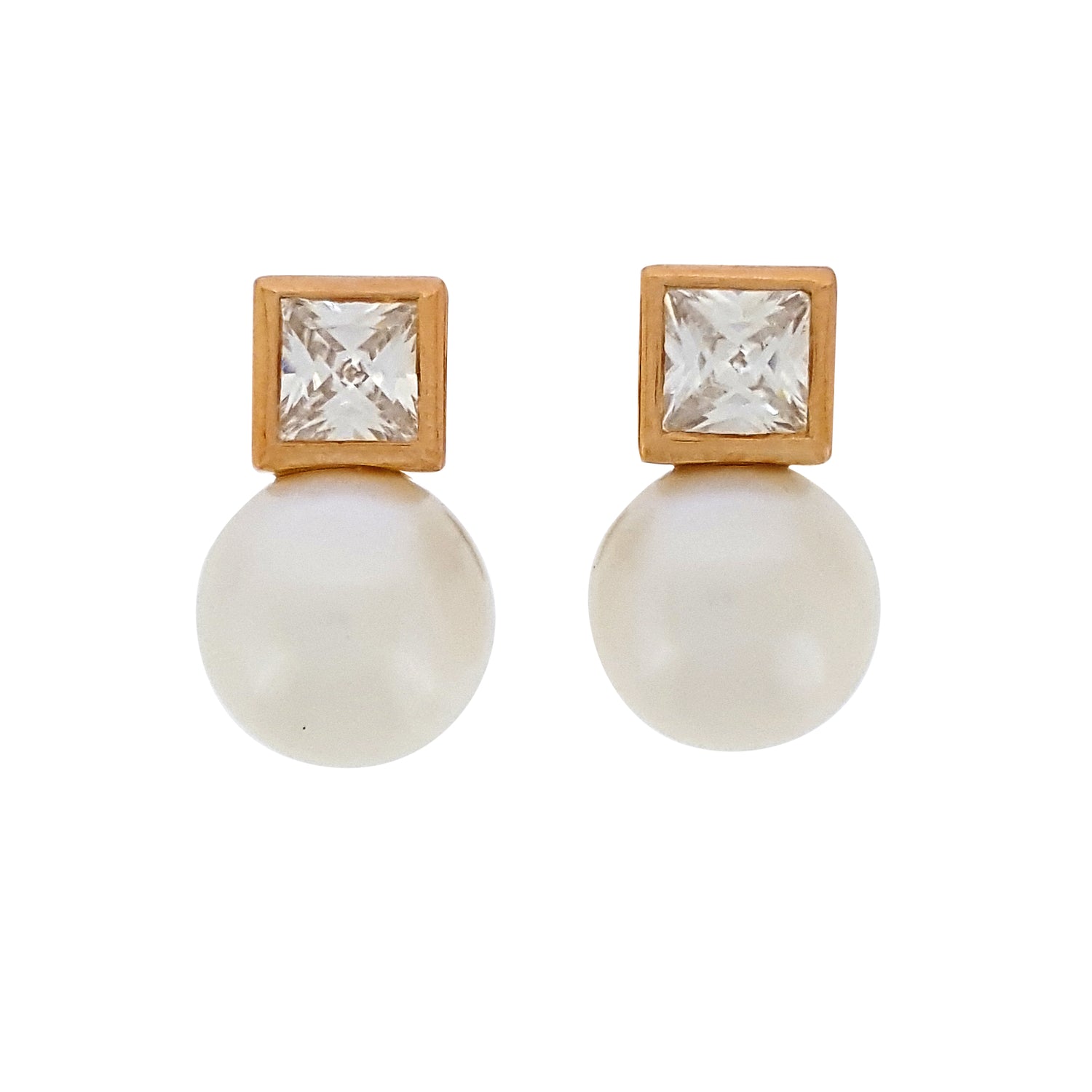

History of Cultured Pearls
Cultured pearls are the result of centuries of observation, experimentation, and refinement. While the methods have evolved, the core principle, encouraging a mollusc to coat an introduced nucleus with nacre, has remained consistent.
500 BC
Chinese freshwater mussels were used to produce early cultured pearls, now known as Mabe pearls. Small objects made from clay, ceramic, or shell were inserted into the mussel, allowing nacre to form over time. Variations of this technique are still used today.
1700s
Carl von Linné of Sweden developed an early freshwater pearl culturing method using a wire to separate the nucleus from the shell. Although not commercially adopted, this work contributed to later technical advancements.
Late 1800s–1900s
Japanese innovators Tatsuhei Mise and Kokichi Mikimoto perfected the modern seeding technique by inserting a shell bead nucleus with mantle tissue into oysters. This enabled the reliable production of loose pearls and marked the beginning of commercial pearl cultivation.
Industry Recognition
In the 1930s, cultured pearls were legally recognised as genuine after a European court ruled that they are chemically and visually identical to natural pearls. The only difference lies in how the nucleus is introduced.
Broome, 1920s–1950s
Cultured pearling was explored in Broome during the 1920s but was restricted under Western Australian law until 1949. By 1956, successful cultured pearl production began at Kuri Bay, establishing Australia’s modern pearling industry.
Freshwater Pearls
Freshwater pearl culturing expanded significantly in the mid-20th century, with major quality improvements emerging from the 1950s onward. Since the 1980s, advancements in Chinese freshwater pearl farming have led to pearls of high lustre, shape, and consistency, now used by leading jewellery houses worldwide.